
What Makes Glengarriff Special
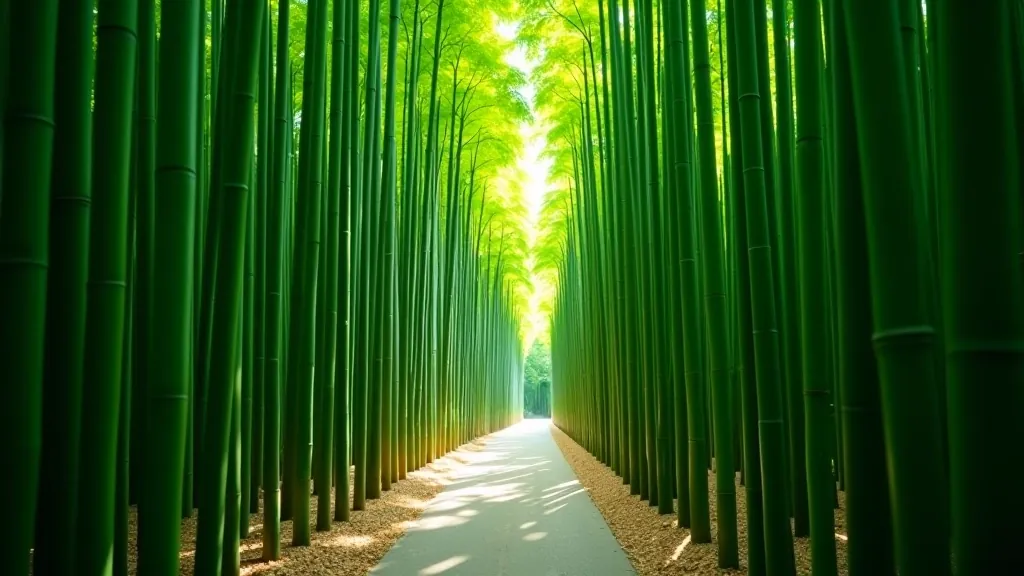
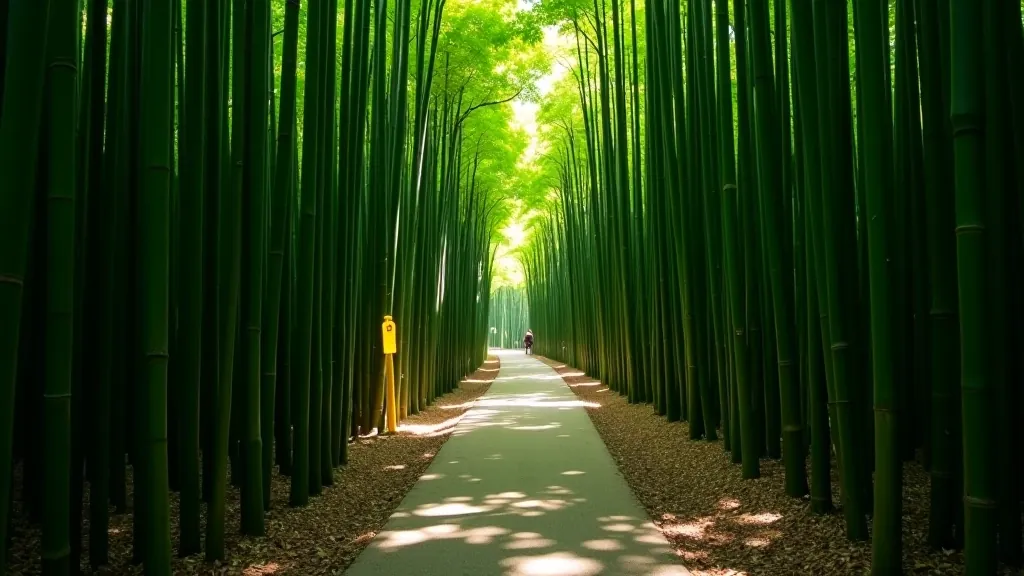
The Glengarriff Bamboo Park isn't your typical woodland walk. It's a 7-hectare sanctuary tucked into a valley near Glengarriff village where towering bamboo stalks create an almost otherworldly atmosphere. You'll find yourself surrounded by dense green walls that filter the light into soft, dappled patterns. The air feels different here — cooler, quieter, almost meditative.
What's remarkable is how the park has evolved since it was established in 2004. It's not a manicured tourist attraction. Rather, it's a genuine nature space where the bamboo has grown naturally, creating genuine hiking trails that feel like you've stumbled into a hidden corner of Southeast Asia. Most visitors don't realize there's more to discover beyond the main pathway.
Getting There & Basic Information
The park sits about 3km from Glengarriff village center. If you're driving, there's a small car park right at the entrance — it fits maybe 20 vehicles, so arriving early on weekends helps. The walking trails are well-marked with yellow and red arrows painted on trees, which sounds simple but actually works really well once you know what to look for.
The main loop takes about 45 minutes to an hour if you're moving at a relaxed pace. There's a shorter 20-minute route if you're pressed for time, but honestly, don't rush it. The whole point of being here is to slow down and actually notice things — the way light hits the bamboo, the sound of leaves rustling overhead, the occasional stream you'll cross.

What to Wear & Bring
Here's the thing about the bamboo park — the microclimate is genuinely different from the surrounding area. It's typically 2-3 degrees cooler inside the forest, and it stays damp even when the rest of Cork is dry. You'll want layers. Start with a moisture-wicking base layer, add a fleece or light jacket, and bring a windbreaker just in case.
Footwear matters more than people think. The paths can get muddy, especially after rain, and there are exposed tree roots. Proper walking boots with ankle support aren't overkill — they're honestly the smart choice. Trainers work on dry days, but you'll regret them when you're navigating slippery sections. And don't forget a water bottle. You'll want to hydrate, and there's nowhere to buy anything once you're inside the park.
Important Information
This guide provides educational information about visiting Glengarriff Bamboo Park. Conditions vary seasonally and weather can change rapidly. Always check current weather forecasts, wear appropriate safety gear, and follow all park guidelines. If you have mobility concerns or health conditions, consult with medical professionals before attempting any trails. The park is free to visit, but respect the natural environment and stay on marked paths.
Best Times to Visit
Spring (April-May) brings fresh growth — the bamboo shoots are emerging, and the whole forest feels alive. It's genuinely beautiful, though it can be crowded on weekends. Summer (June-August) is peak season. Temperatures are warmest, the paths are driest, and you'll definitely see other walkers. Don't expect solitude, but the atmosphere is energetic.
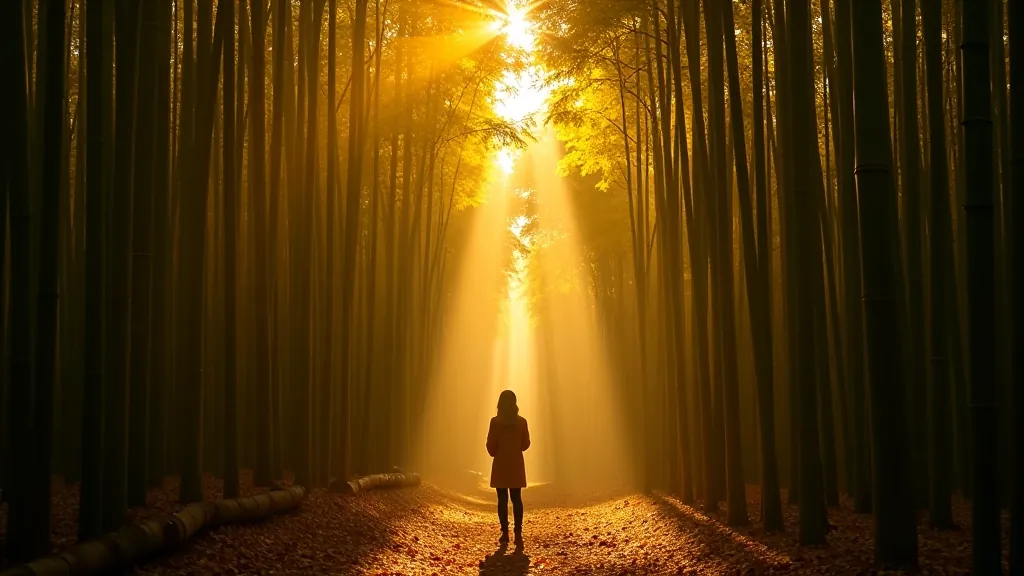
Autumn (September-October) might actually be the sweet spot. The crowds thin out, the weather's still pleasant, and the light quality changes — it becomes more golden, more introspective. Winter's trickier. The paths get muddy, the bamboo loses some of its vibrancy, but if you don't mind the cold and wet, you'll have the place nearly to yourself. That's actually when some serious walkers prefer it.
Avoid midday in summer if possible. The bamboo creates shade, but between 12-3pm on sunny days, you'll encounter the most visitors. Early morning (7-9am) or late afternoon (4-6pm) visits give you a completely different experience — quieter, more contemplative, and the light is genuinely stunning.
Hidden Spots Worth Exploring
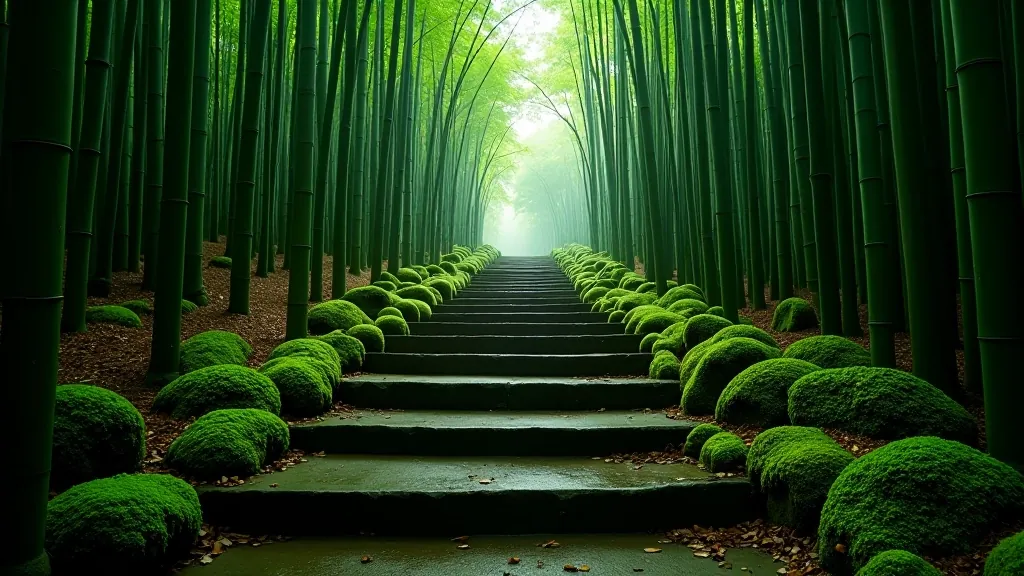
Most people stick to the main loop, which means they miss some genuinely interesting features. There's a small stream that runs through the eastern section — it's marked but not heavily trafficked. Following it upstream for about 10 minutes brings you to a small clearing where the bamboo opens up. It's quiet, peaceful, and feels like your own discovery.
Watch for the red-marked trail near the park entrance — it's steeper, shorter, but takes you up slightly for better views across the valley. Most casual walkers miss it because the yellow trail is more obvious. And there's a junction about halfway through the main loop where you can veer left toward what locals call "the grove." It's denser bamboo, taller stalks, and it genuinely feels different — more atmospheric, almost primordial.
The key is to slow down. Don't just walk the trail checking boxes. Sit on one of the benches for 10 minutes. Listen. You'll notice birds you didn't see while moving, and the forest reveals itself differently when you're still.
Photography & Practical Tips
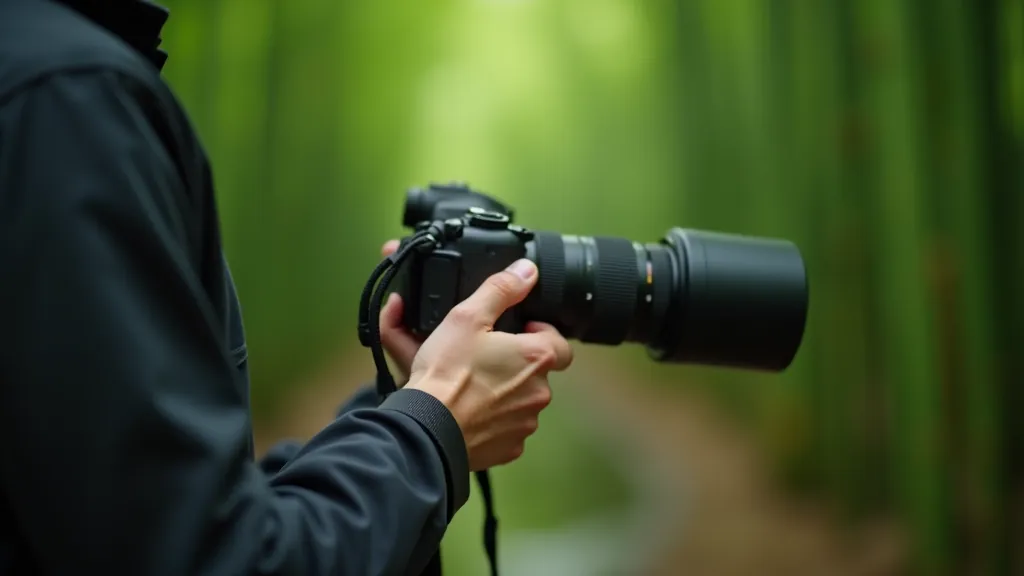
If you're bringing a camera or phone, the light inside the bamboo forest is tricky. It's dim but not dark, which means your camera struggles. Shoot in RAW if your phone allows it, and bump up the exposure slightly. Early morning and late afternoon light is genuinely spectacular — you'll get that moody, atmospheric quality that makes everything look magazine-worthy.
Battery life suffers in cool, damp conditions, so bring a power bank. Your phone will drain faster than normal. And honestly, don't spend the whole visit looking through a lens. Some of the best moments aren't Instagram-worthy — they're just peaceful moments that matter more when you experience them directly.
The park's free to visit, but there's a donation box at the entrance. Even a couple of euros helps with maintenance. Cell service is spotty in parts of the park, so download a map beforehand if you're worried about navigation. The trails are marked well enough that you won't get lost, but having a backup map never hurt anyone.