
typedig Logo typedig Contact Us
Contact Us
9 min read Beginner June 2026

Harbour Seal Colony Walks: What to Expect

A practical guide to observing seals responsibly. Learn about their behavior, the best viewing times, and how to keep a respectful distance.

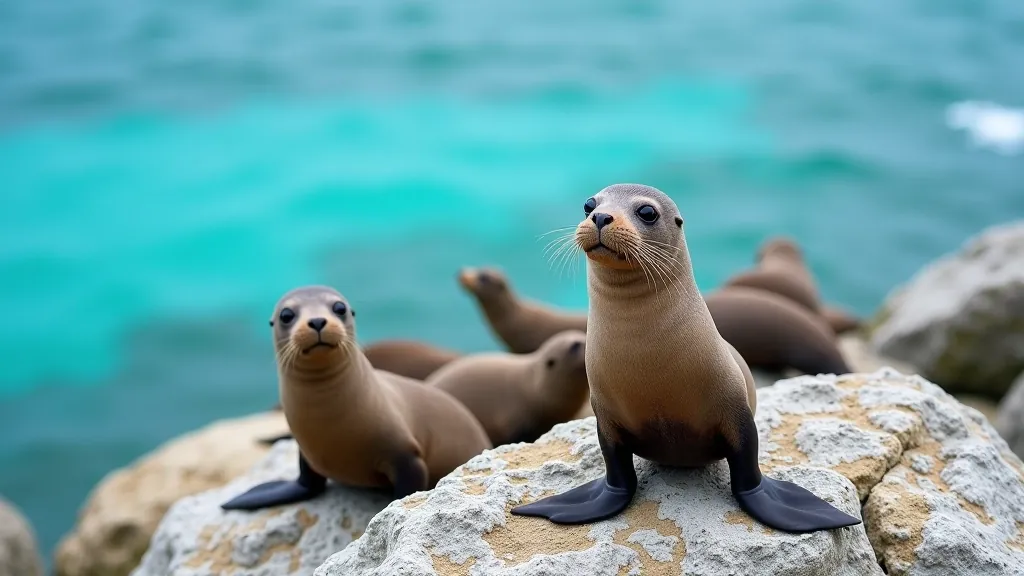
Harbor seals resting on coastal rocks near turquoise water
Séamus O'Sullivan

Séamus O'Sullivan

Senior Nature & Wildlife Correspondent

Wildlife biologist and nature journalist with 16 years studying Ireland's marine and woodland ecosystems, specializing in harbour seals and coastal conservation.

Understanding Harbour Seals

Harbour seals are the most common seal species around Irish coasts. They're smaller than grey seals — adults typically weigh between 50-100 kg — with spotted coats that range from grey to brown. What's fascinating about them isn't just their appearance. They're incredibly intelligent creatures with complex social behaviors you can actually observe from a distance.

You'll notice they spend about 75% of their time in water, but they come ashore regularly to rest, regulate their body temperature, and nurse pups. The seals around Cork's harbors are generally habituated to human presence from a distance, but they're not domesticated. That distinction matters enormously for responsible viewing.

The colonies around sheltered bays tend to be most active during slack tide — roughly two hours either side of high water. They're less anxious when water levels are stable because they can slip back into the sea quickly if they feel threatened.
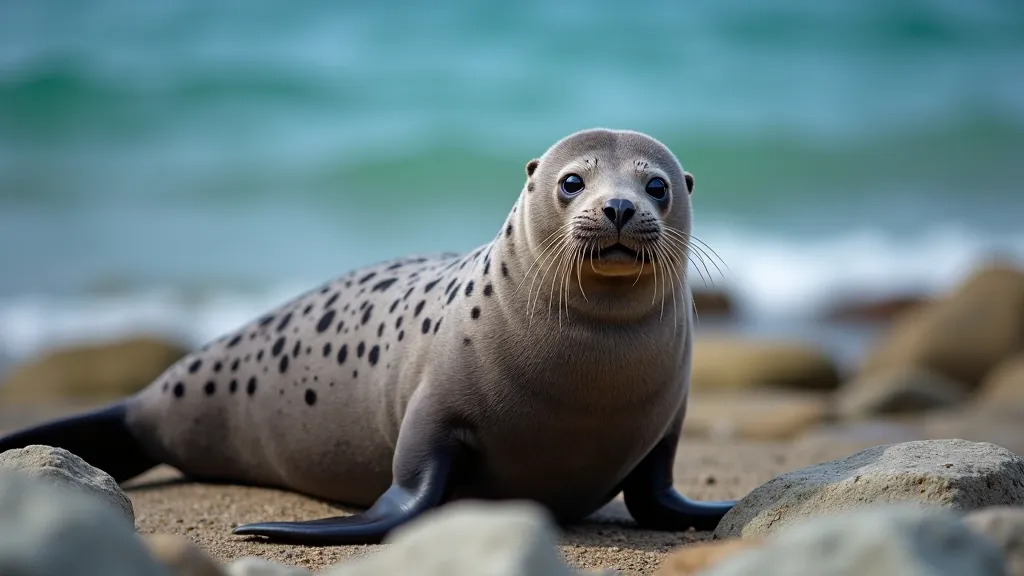
Close-up of harbour seal resting on rocky shore, spotted grey coat visible
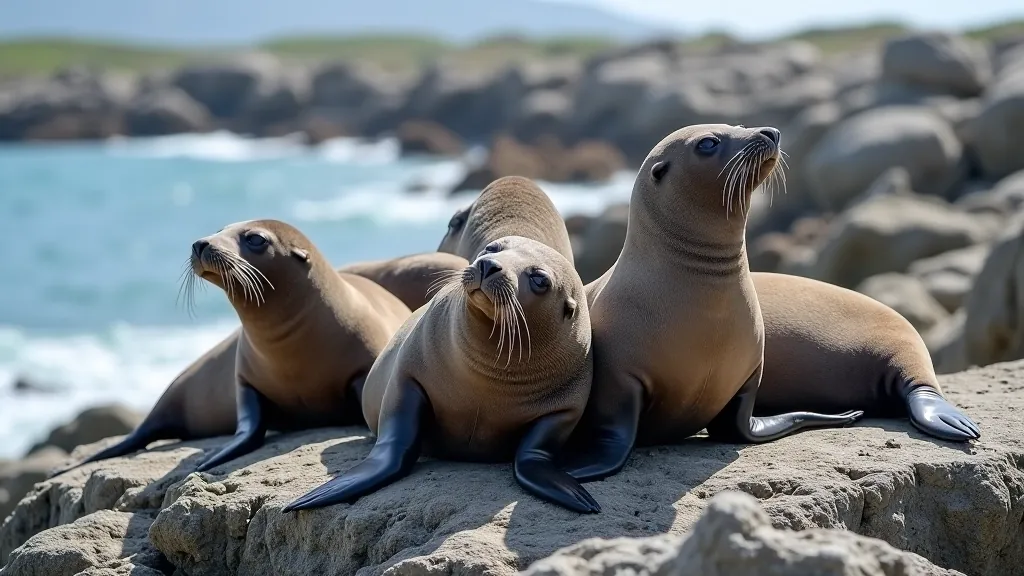
Group of harbour seals clustered on rocks during daytime rest period

Reading Seal Behavior

Learning to read seal body language makes the difference between a frustrating visit and a genuinely rewarding one. When seals are relaxed, they sprawl across rocks with their flippers extended, sometimes overlapping each other. It's almost comical how sprawled out they get.

But when they sense disturbance, their posture changes immediately. Their heads come up, nostrils flare slightly, and they become rigid. This is your signal to stop moving and crouch low. Don't panic if they bolt into the water — that's their safety mechanism working perfectly. They're not distressed, they're being smart.

Pups are born between June and July on Irish coasts. Mothers are fiercely protective during this period. If you spot a pup alone on rocks, resist every urge to help or photograph closely. The mother is nearby, and human intervention — even well-intentioned — can cause serious problems. Most apparent "abandoned" pups are actually nursing on a schedule.

  • Relaxed posture: Flippers extended, head resting
  • Alert posture: Head raised, rigid body position
  • Escape behavior: Rapid movement toward water
  • Nursing time: Early morning and dusk typically

Best Practices for Responsible Viewing

Responsible wildlife observation requires patience and respect. Here's what actually works from years of experience on Cork's coastlines:

1

Maintain Distance

Stay at least 50 meters away from seals. This is roughly the length of a small house. If they show alarm behavior, you're too close — retreat slowly without sudden movements.

2

Visit During Slack Tide

Seals haul out most reliably two hours either side of high water. Check tide times for your location. Slack tide means calmer water and more relaxed seals.

3

Use Binoculars or Telephoto Lens

A good pair of binoculars (8x42 or 10x42) lets you see seal behavior clearly from safe distance. You'll observe facial expressions, pup interactions, and grooming behavior without disturbance.

4

Move Slowly and Deliberately

Rapid movements trigger alarm. Approach from downwind if possible. Crouch or sit to reduce your profile. The slower you move, the longer seals will tolerate your presence.

5

Avoid Peak Tourist Hours

Early morning (before 9 AM) or late afternoon (after 4 PM) offers quieter viewing conditions. Seals are more likely to stay hauled out when human activity is minimal.

6

Never Attempt to Touch or Feed

This seems obvious, but it needs saying. Seals bite, they carry bacteria unfamiliar to humans, and any attempt to feed or touch causes stress that can affect their health and safety.

Seasonal Timing and Weather

Harbour seals are present year-round around Cork, but your experience changes significantly by season. Spring and early summer bring peak activity as pups are born and mothers spend more time nursing on rocks. You'll see the largest numbers between May and July, with multiple generations sometimes visible together.

Autumn (September-November) offers excellent viewing because seals are building fat reserves before winter. They're on rocks longer during these months. Winter viewing is challenging due to weather, but on calm days you might see them more relaxed since tourist pressure drops dramatically.

Weather matters enormously. Heavy rain and rough seas keep seals in water longer. Clear, calm days are ideal. Wind direction affects approach angle — approaching from downwind means your scent travels away from the seals. Temperature matters too: on very hot days, seals spend more time cooling in water.

Pro tip: Check the weather forecast and tide times before visiting. The combination of calm weather + slack tide + low tourist numbers = your best viewing experience.

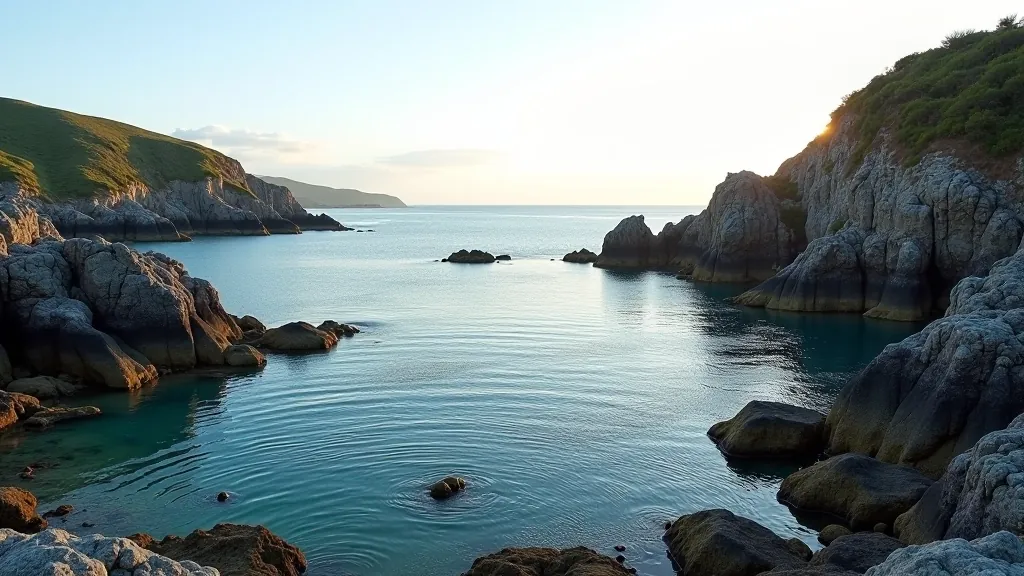
Scenic coastal landscape at dawn with calm waters and rocky outcrops suitable for seal viewing

Disclaimer: This guide provides educational information about observing harbour seals responsibly. Wildlife viewing involves inherent natural risks. Always prioritize animal welfare and follow local wildlife protection guidelines. Weather conditions, tide patterns, and seal behavior can change unpredictably. Visit at your own risk and make decisions based on current conditions. When in doubt about safety or appropriate distance, consult with local wildlife authorities or experienced guides familiar with specific locations.

The Reward of Patient Observation

Harbour seal watching doesn't require expensive equipment or specialized knowledge. It requires respect, patience, and genuine interest in observing animals on their own terms. When you get it right — when you're positioned perfectly, moving slowly enough, at the right tidal stage — you'll witness behavior that most people never see.

You'll see pups wrestling with siblings while mothers rest nearby. You'll watch seals groom each other with surprising tenderness. You'll observe their remarkable ability to sense danger and coordinate group escapes. These moments stay with you because they're authentic glimpses into an animal's actual life, not a performance for human entertainment.

The colonies around Cork's sheltered bays have adapted remarkably well to responsible human presence. That's a privilege worth protecting. Every time you visit, you're part of a larger conversation about coexisting with wildlife. Do it thoughtfully, and you'll help ensure these seals remain visible and healthy for future visitors to experience.

Ready to explore other nature walks in Cork?

Discover more guides to help you plan your next coastal adventure.

Browse All Nature Walks