
Walking Through Glengarriff Bamboo Park: A Complete Guide
Everything you need to know about exploring the bamboo park — best times to visit, what to expect on different routes, and tips for photography.
Read GuideEach season brings different experiences to Cork's coastline and woodland. We've broken down weather conditions, wildlife activity, and visitor patterns to help you plan smarter.

There's no "bad" time to walk Cork's trails, but there's definitely a right time for what you're looking for. Spring brings energy. Summer offers long daylight hours. Autumn delivers calm and spectacular colour. Winter? That's when the coast shows its raw, honest face.
The difference between visiting Glengarriff Bamboo Park in July versus October is more than just temperature. It's about crowd levels, what wildlife you'll see, how muddy the paths get, and whether you'll need full waterproofs or just a light layer.
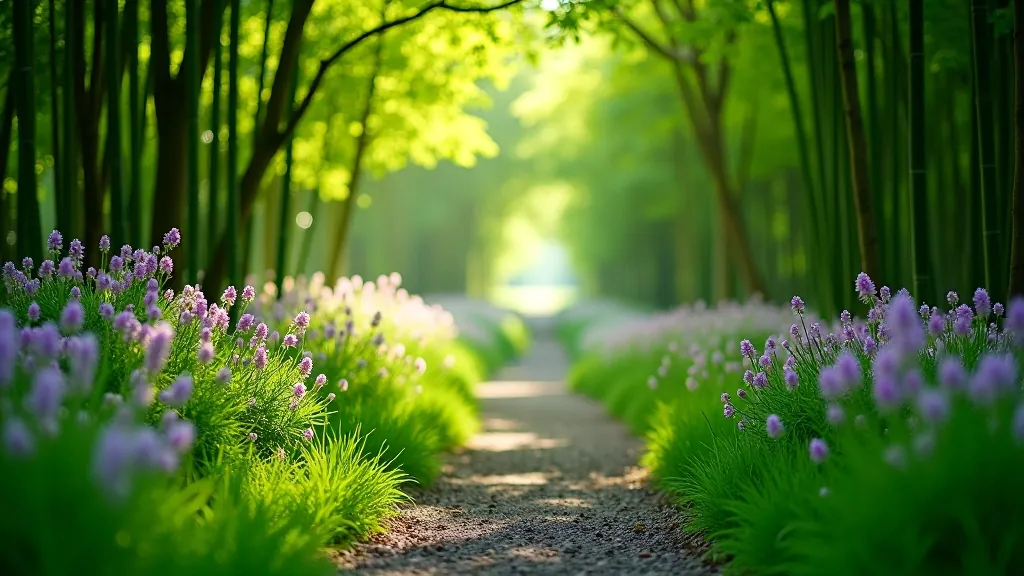
Spring's the season when everything wakes up. Temperatures climb from 8°C to around 15°C by late May. The bamboo park turns a lighter green as new shoots push through, and you'll notice bird activity everywhere — it's nesting season.
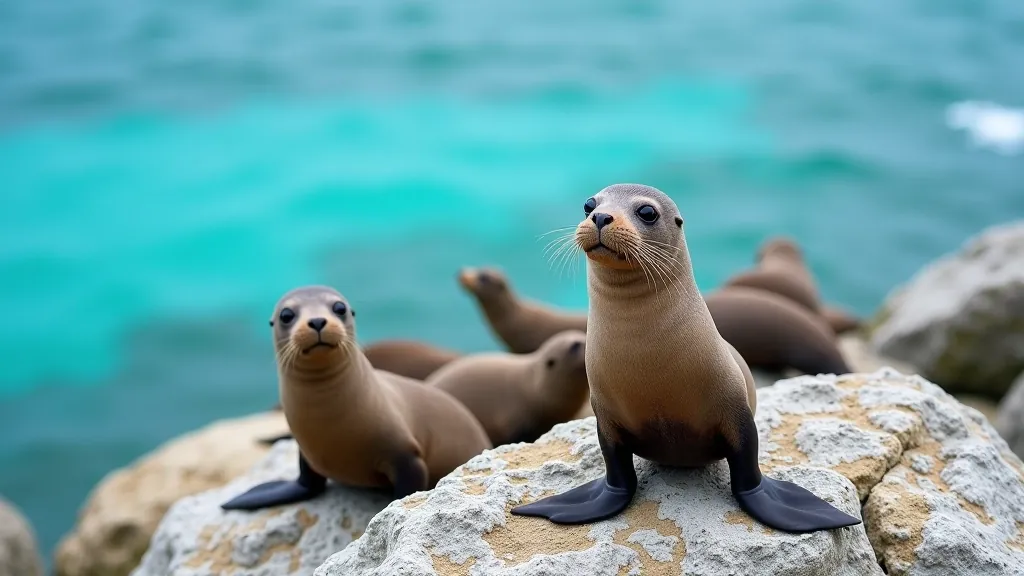
Harbour seal pups are born in May, though they're harder to spot than you'd think. Adult seals haul out on rocks more frequently as water temperatures rise slightly. The paths dry out after winter, making hiking genuinely pleasant.
What to pack: Waterproof jacket (showers still happen), layers, decent hiking boots.
Crowds: Light to moderate. School holidays can bring families mid-May.
Wildlife: Seabirds, migrating warblers, seals hauling out regularly.
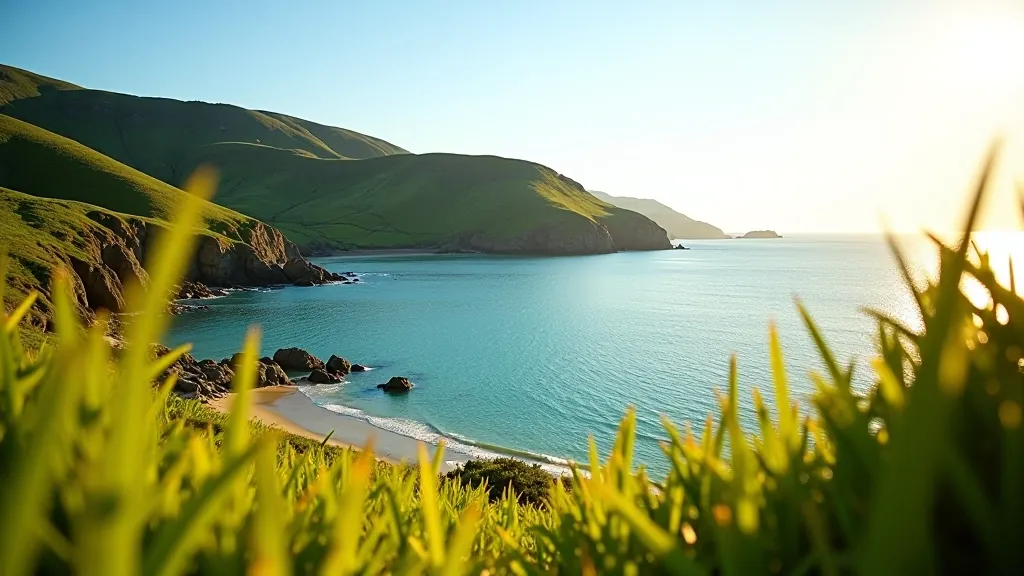
Summer's the obvious choice if you like long days and warmth. Temperatures reach 17-20°C, sometimes higher. Daylight extends to nearly 9pm by late June, so you can start walks at 6pm and still have full visibility.
The downside? Sheltered Bay and the bamboo park get busier. July and August see school holidays, family trips, and tourists. The trails don't get crowded to the point of being unpleasant, but you won't have them to yourself. Early morning walks — before 9am — give you a genuinely peaceful experience even in peak season.
What to pack: Sunscreen (seriously), water bottle, light layers for breezy coastal conditions.
Crowds: Highest. Weekday mornings are quietest.
Wildlife: Seals visible regularly, seabirds with chicks, butterflies in the woodland.
Important note: This guide is informational based on typical weather patterns and wildlife behaviour. Conditions vary year to year. Always check local forecasts before heading out, and bring weather-appropriate gear. If you're observing seals, maintain at least 100 metres distance — they're protected under Irish wildlife law, and stress from humans can separate mothers from pups.
This is our favourite season, honestly. Temperatures drop from 18°C to 12°C, but the air feels cleaner. Autumn colours peak in October — the bamboo park shifts to golden-bronze tones, and surrounding woodlands turn spectacular shades of red and orange.
Crowds drop significantly after school holidays end. You'll see fewer families and more serious walkers. Rain increases but it's not constant — you get clear, crisp days mixed with proper showers. The paths can be muddy, especially in lower sections near Sheltered Bay, but that's part of the autumn experience.
Wildlife watching gets interesting. Seals are more visible as water temperatures cool and food sources shift. Migrating birds pass through, and you might spot unusual species if you're paying attention.
What to pack: Waterproof jacket and trousers, good grip boots, warm layers underneath.
Crowds: Light to moderate. Weekends see more people, but nothing like summer.
Wildlife: Seals hauling out regularly, migrating seabirds, woodland birds.
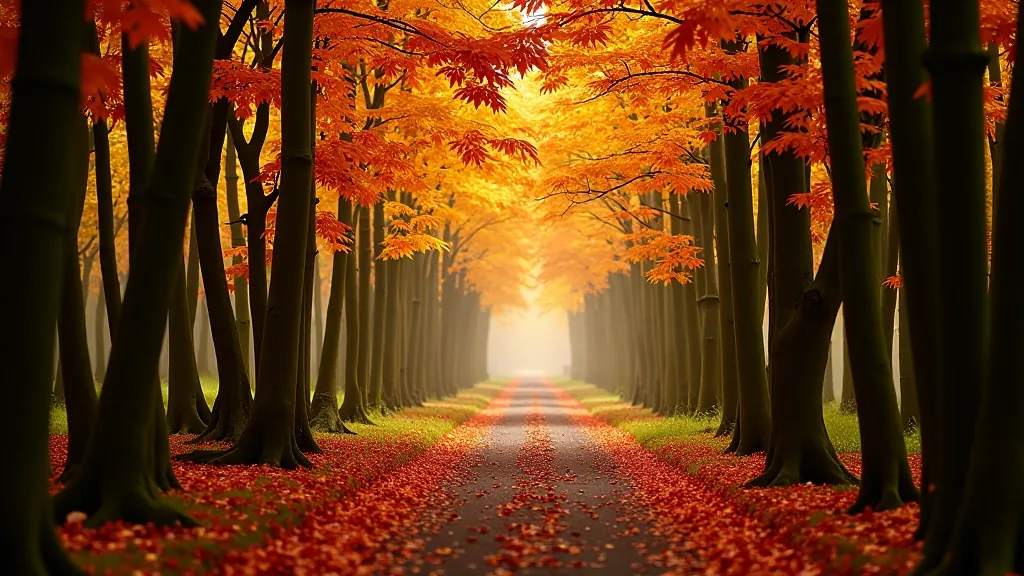
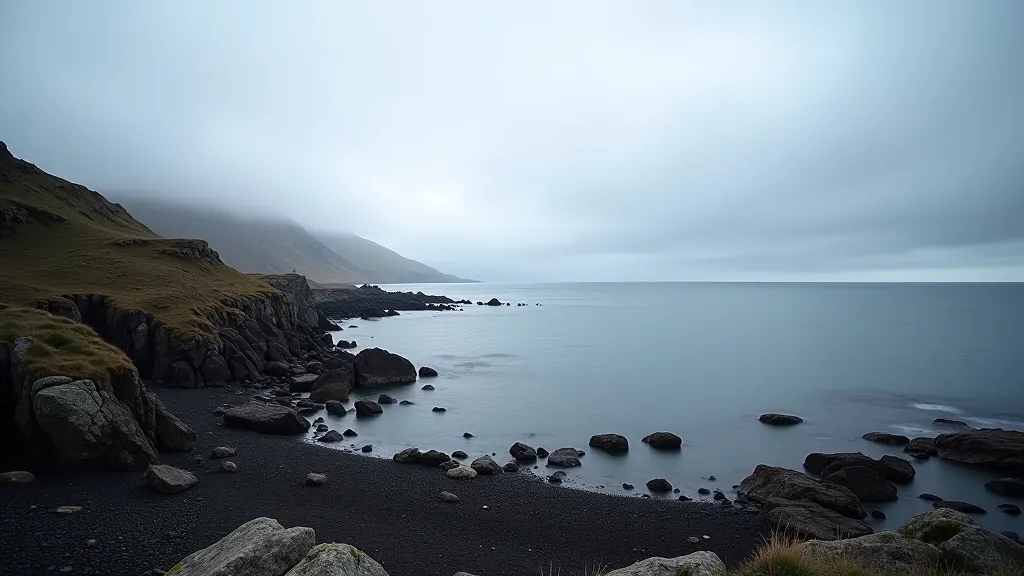
Winter's not for everyone, but it's transformative. Temperatures sit around 5-8°C, sometimes dropping below freezing. Daylight's limited — sunrise is after 8am, sunset around 4:30pm in January — so you're working with roughly 8 hours of daylight.
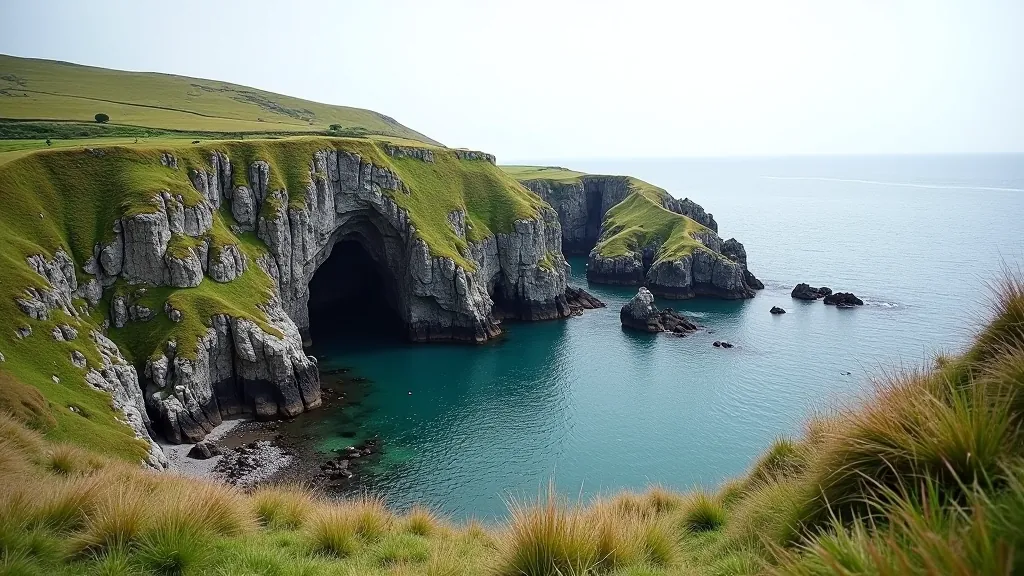
The coast becomes dramatic. Atlantic storms create genuine waves, the light's low and golden during the short daylight hours, and you'll rarely see another person. Paths can be icy, especially higher elevations. Lower sections near Sheltered Bay tend to stay relatively clear, but you need proper winter walking boots and a strong waterproof.
If you're interested in seals, winter's when they're most visible. They haul out regularly to rest, and with fewer visitors and calmer behaviour, you get better observation opportunities — if you're patient and respect their space.
What to pack: Thermal layers, waterproof everything, winter boots with grip, hat and gloves.
Crowds: Very light. You might not see anyone.
Wildlife: Seals hauling out, overwintering seabirds, hardy woodland residents.
November through March. You'll walk for hours without meeting another person. Early mornings in any season help too.
May for seal pups (careful observation only), September-March for reliable seal sightings, spring for bird activity.
May and September. You get decent weather, reasonable daylight, and manageable crowds. The Goldilocks months.
October (autumn colours) and late afternoon in any season. Winter's dramatic light is stunning if you don't mind the cold.
There's no perfect time. It depends on what you're after. Want peace and quiet? Come in winter or early spring. Want warm, long days? Summer's your answer, just go early to beat the crowds. Looking for that moody, dramatic atmosphere? Autumn and winter deliver it in spades.
What we've learned is this: the best time to visit Cork's nature walks is whenever you can actually get out there. Don't wait for perfect conditions. Bring appropriate gear for the season, respect the wildlife you encounter, and you'll find something worth the trip no matter when you go.